Best Shed Builders Near Helena, MT: What to Look For
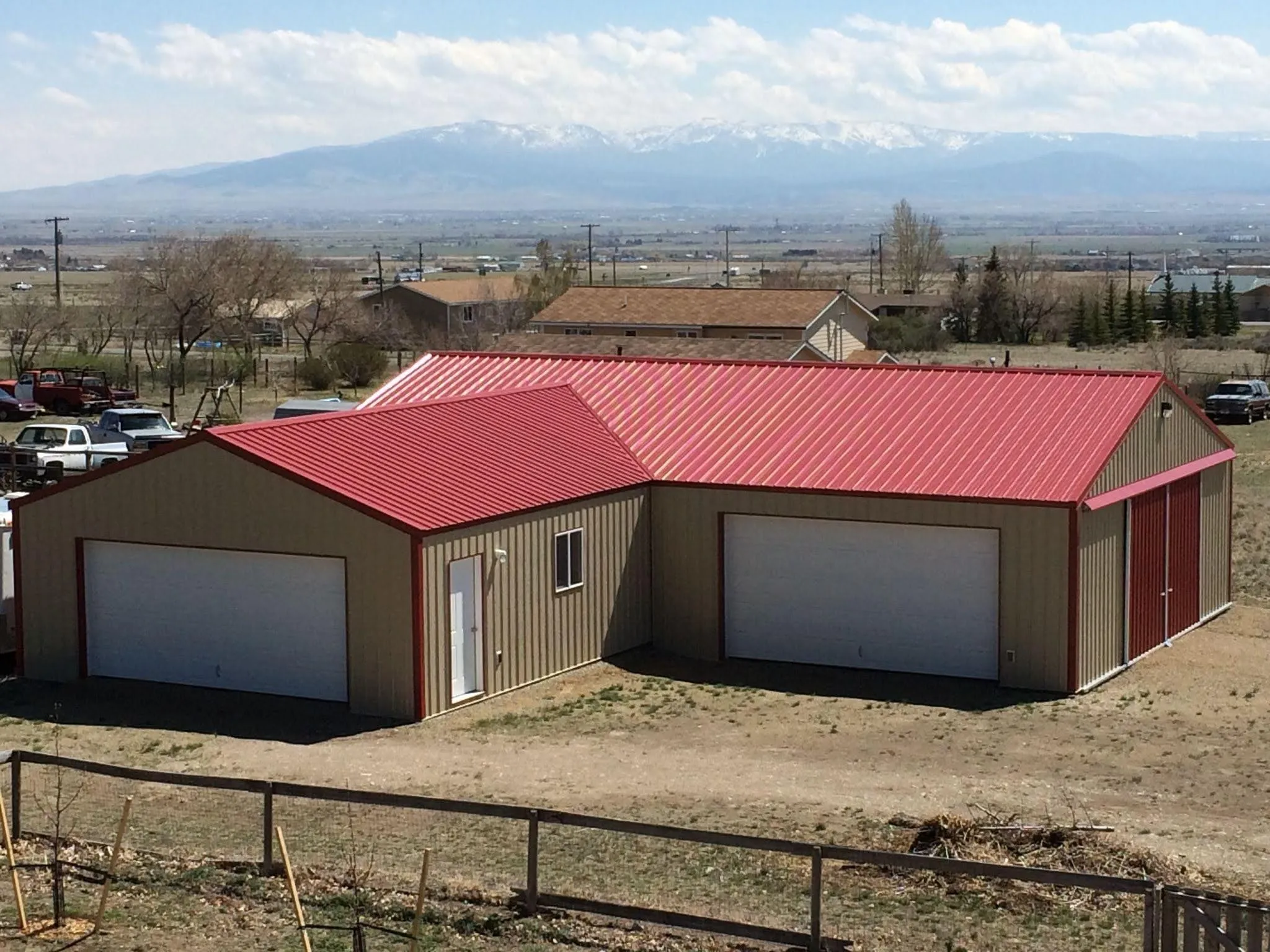
The best shed builder in Helena designs for Montana snow and wind, sets a foundation that suits your soil and frost conditions, helps you sort out permits and zoning, and puts a clear, itemized quote in writing. They should also be properly registered and insured and have local projects you can look at.
A low price or a big ad budget doesn’t make a builder the right fit. Use the checklist below to compare any contractor you’re considering, including us.
What Makes a Shed Builder the Best Choice in Helena?
The best choice is the builder whose experience, engineering, and pricing match your property and how you’ll use the building. For most Helena-area owners, that means a contractor who builds for local weather, explains exactly what the quote covers, and has a track record of nearby finished buildings.
“Best” is personal. A builder who’s ideal for a 10 by 12 garden shed may not be the right pick for a building that stores a tractor, an RV, or a winter’s worth of hay.
A larger storage building is a structural project. It carries roof snow every winter, resists wind across open ground, and sits on a foundation that has to handle freeze and thaw. The builder you pick decides how well it does all three.
Prefab Shed vs. Custom-Built Storage Building
If you need light storage in a small footprint, a prefab or kit shed is often enough. If you need room for vehicles, equipment, or a workshop, or you want a building designed for your exact site, a custom-built storage building from a contractor is usually the better fit.
When a Prefab or Kit Shed Makes Sense
Prefab sheds suit small jobs: lawn equipment, garden tools, bikes, and seasonal items. They deliver or assemble quickly and work well on flat, easy-to-reach lots.
Check the size before you buy. Inside Helena city limits, a one-story detached accessory structure on a one- or two-family residential property is exempt from a building permit only if its floor area doesn’t exceed 200 square feet.
When to Hire a Shed Builder Contractor
Hire a contractor when the building needs to hold something heavy or valuable, needs wide doors, or needs to be larger than a typical backyard shed. Common examples around Helena include equipment storage, RV and boat storage, vehicle garages, hay storage, and shops.
A contractor can also handle the parts a kit doesn’t: site prep, a concrete slab or footings, door packages, insulation, and electrical. For a closer look at sizes, layouts, and options, see our guide to storage sheds and buildings in Helena.
Why Many Helena Owners Choose Post-Frame Construction
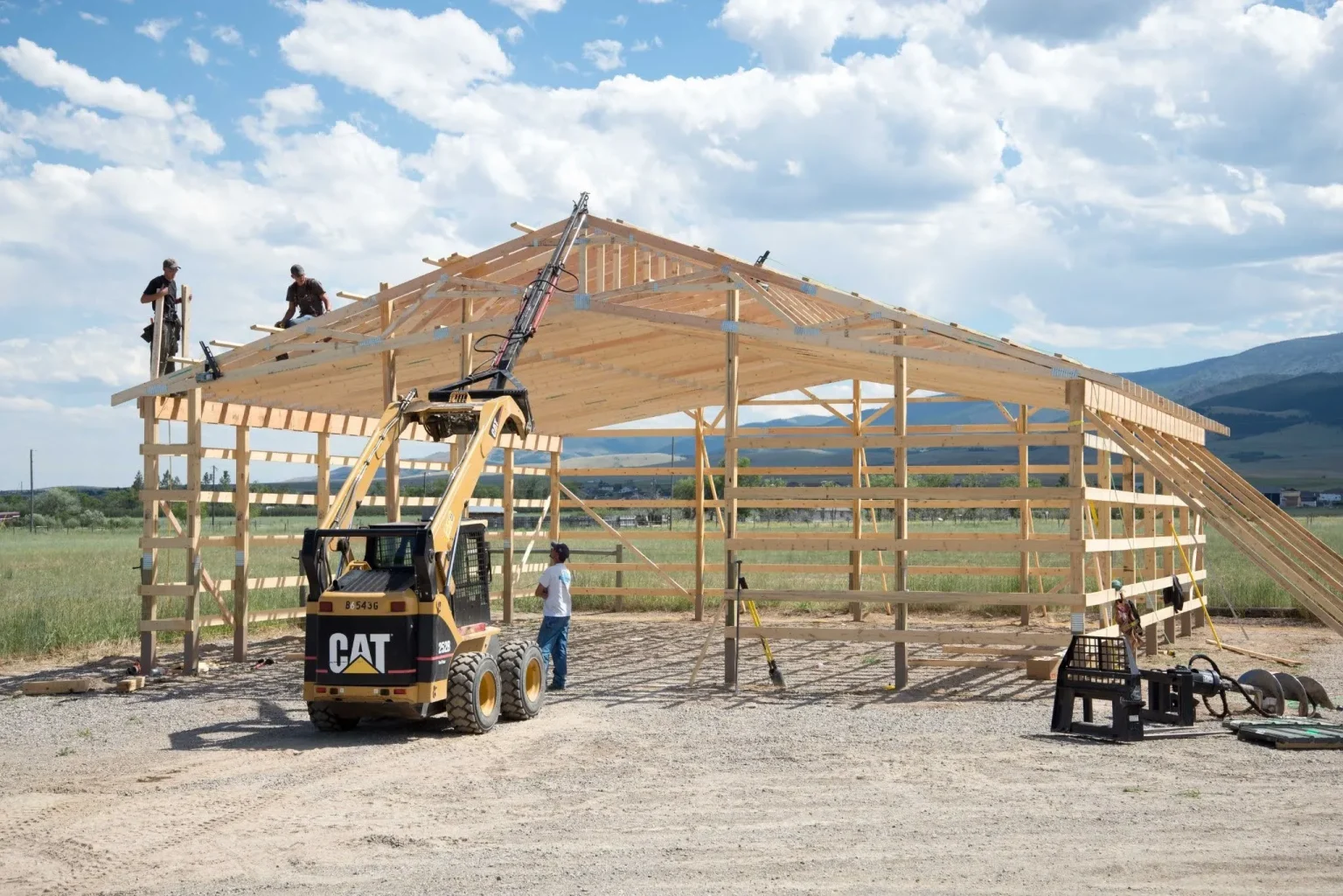
Post-frame construction uses large vertical posts, set in the ground or anchored to concrete footings, with engineered roof trusses on top. Because the posts carry the load, the interior doesn’t need load-bearing walls, which leaves open space for equipment and vehicles.
Many post-frame buildings in Montana use a wood frame with steel siding and steel roofing. That’s different from an all-steel building, which uses a steel frame. If you’re comparing the two, ask each builder exactly what their frame is made of.
7 Things to Look for in a Top Shed Builder in Helena
A top shed builder in Helena should check all seven of the boxes below. Use them as a scorecard when you talk to contractors and compare quotes.
1. Local Experience in the Helena Valley
Look for a builder who has built in the Helena Valley and the surrounding communities. Local builders know the terrain, the wind exposure on open ground, and the access issues on rural or sloped lots.
They also know who issues permits where. A permit inside Helena city limits is handled differently than one in unincorporated Lewis and Clark County, and a local builder can tell you which applies to your property.
2. A Building Designed for Montana Snow and Wind
Your building should be designed for the snow load and wind conditions at your site. Snow load is the weight of snow a roof is designed to carry, and it varies with location and elevation.
Ask each builder what design loads they’re using and whether the trusses are engineered for your site. A good contractor will answer plainly and show it in writing. A vague answer is a reason to keep looking.
3. The Right Foundation for Frost and Soil Conditions
The foundation needs to suit your soil and get below the local frost line. Frost depth is how far down the ground freezes in winter, and footings that sit too shallow can shift as the ground freezes and thaws.
Post-frame buildings can use embedded posts, posts on concrete footings, or a concrete slab, depending on the building’s use and site conditions. Understanding post-frame foundation options can help you decide which approach makes the most sense for your project.
4. Montana Contractor Registration and Insurance
In Montana, construction contractors with employees must register with the Montana Department of Labor and Industry. You can check a contractor’s registration status on the department’s website or by calling its office at (406) 444-7734.
Ask for proof of liability insurance and workers’ compensation coverage for their crew. If someone is hurt on your property, you want to know the contractor’s coverage applies.
5. A Clear, Itemized Written Quote
A good quote shows exactly what you’re paying for. It should list the building size, materials, doors, site prep, foundation or concrete, labor, and any insulation or electrical work, and it should say whether permits are included.
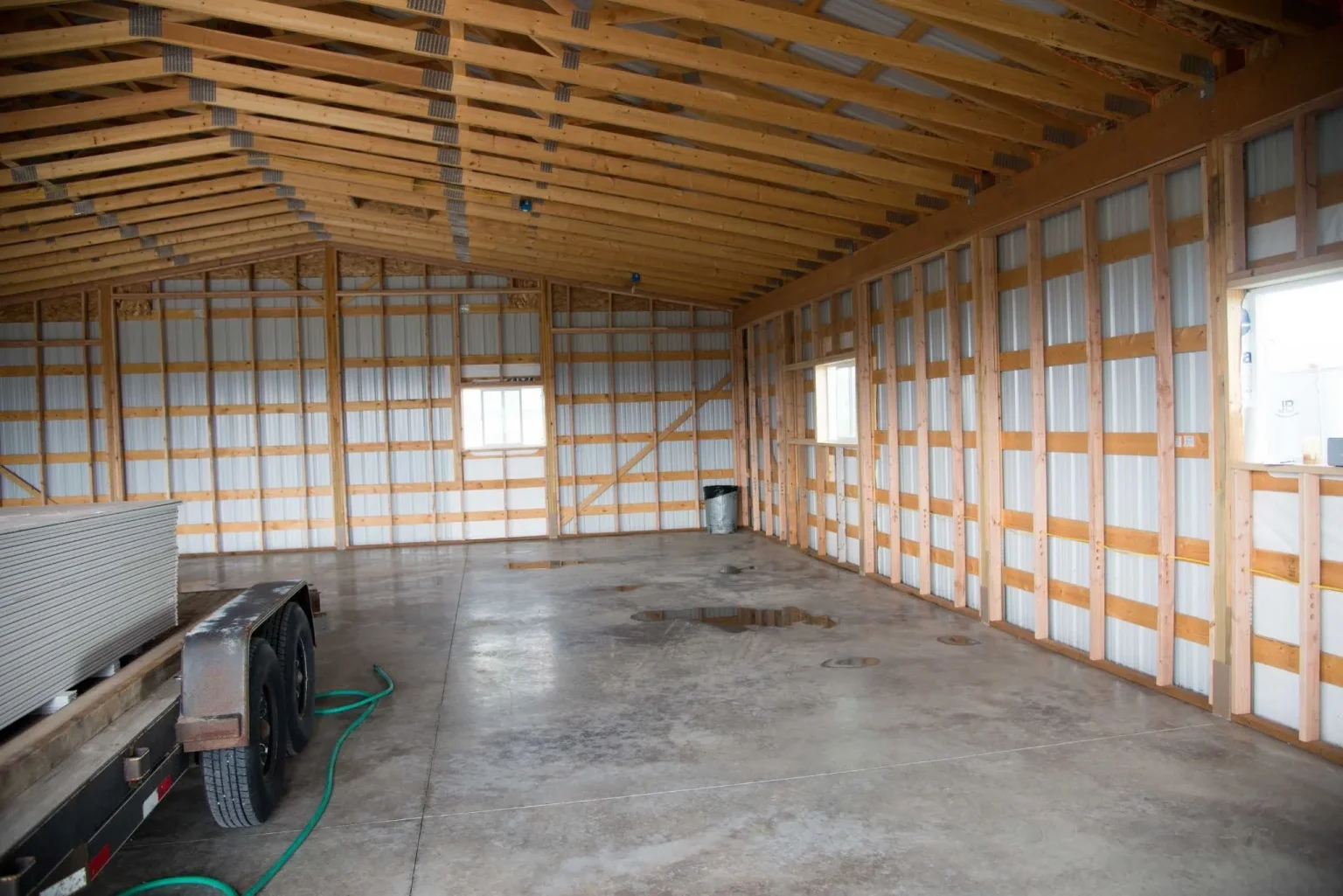
Ask whether the price is for a shell or a finished building. A shell usually means framing, roof, siding, and doors. A turnkey build adds items such as concrete, insulation, electrical, and interior finishes.
6. Quality Materials and Clear Warranty Terms
Ask what materials go into the building: the posts, trusses, steel panels, fasteners, and doors. A builder should be able to name products and explain why they chose them.
Then ask what warranties apply. Material warranties usually come from the manufacturer and vary by product, while workmanship coverage comes from the builder. Get both in writing before you sign.
7. Local Projects, Photos and Reviews You Can Check
Ask to see photos of finished buildings similar to yours, and read the builder’s reviews. Reviews and project photos show whether a builder delivers on their promises.
If you can, talk to a past customer or drive by a finished building. You can browse our completed post-frame building projects to see the kind of work we do around Helena.
Do You Need a Permit to Build a Shed in Helena or Lewis and Clark County?
It depends on your property location and the building size. Inside Helena city limits, most sheds over 200 square feet on residential lots need a building permit. Outside city limits, state law exempts many private storage structures from the state building code, but county zoning and other rules can still apply.
Inside the city, the City of Helena exempts one-story detached accessory structures on one- and two-family residential properties if the floor area doesn’t exceed 200 square feet. On commercial and multi-family properties, the exemption for tool and storage sheds is 120 square feet. Electrical work needs its own permit.
Outside the city, Montana law (MCA 50-60-102) says the state building code doesn’t apply to any farm or ranch building, or to a private garage or private storage structure used only for the owner’s own use, unless the local government chooses to apply it. That doesn’t mean no rules apply. Lewis and Clark County zoning sets setbacks and height limits, and floodplain, septic, and addressing requirements can apply depending on the site.
HOA covenants can also limit a building’s size, height, color, or placement. Understanding Lewis and Clark County pole barn permit requirements can help you plan your project and avoid permitting issues before construction begins.
Questions to Ask a Shed Builder Before You Sign
Ask these questions before you commit to any contractor:
- How far out are you booking, and how long will construction take once you start?
- Who handles permits, zoning checks, and engineering documents?
- What exactly is included in the quote, and what isn’t?
- Who is responsible for site prep, gravel, or concrete?
- What snow and wind loads is the building designed for?
- What is the payment schedule, and when is the deposit due?
- What warranties come with the materials and the workmanship?
- How do you handle change orders and cleanup?
Timing matters in Montana. Weather and ground conditions affect when site work and concrete can happen, so ask about scheduling early, especially for a spring or summer build.
Red Flags When Hiring a Shed Builder Contractor
The biggest red flags are a vague quote, no proof of registration or insurance, and pressure to skip permits. Any one of these is reason enough to slow down and compare other bids.
Watch for these warning signs:
- A one-line price with no breakdown of materials and labor
- A large deposit requested with no written contract
- No proof of Montana contractor registration or insurance
- No local references, photos, or reviews
- A suggestion that you don’t need to check permits or zoning
- A price far below other bids with no clear explanation
A low bid isn’t automatically a bad bid. But if one number is much lower than the rest, ask what’s missing from it.
How Much Does a Custom Shed Cost in Helena?
The cost of a custom shed or storage building in Helena depends on its size, use, foundation, doors, finish level, and site conditions. A small prefab shed and a 40 by 60 post-frame building are very different projects, so the only reliable number is an estimate for your site and plans.
The main cost drivers are:
- Building size and height
- Foundation type, such as gravel, footings, or a concrete slab
- Door package, including overhead, sliding, and walk doors
- Shell only or finished with insulation, electrical, and interior work
- Site prep, access, and distance from Helena
Why Helena Property Owners Work With H&H Custom Buildings
H&H Custom Buildings is a family-owned post-frame builder based in East Helena and has served the Helena Valley since 2005. We focus on post-frame construction and work within about 90 minutes of Helena, including Townsend, Boulder, and Montana City.
Our crew can handle a project from shell to finished building, including concrete, insulation, electrical, and interior work. We coordinate the engineering documentation and guide clients through permitting. You can see the communities we cover on our service areas page.
We focus on mid-size and larger post-frame buildings, many 40 by 60 feet or larger. If you’re planning a smaller building, ask during your estimate, and we’ll tell you whether it fits.
Frequently Asked Questions About Shed Builders in Helena
Who builds the best sheds?
The best sheds come from contractors who design for your local weather, use a foundation suited to your site, and provide a clear written quote. Near Helena, that means a registered, insured builder who accounts for snow load, wind, and frost. Look for local projects and reviews you can check. The right builder depends on the size and use of the building, so compare at least two or three.
Which type of shed lasts the longest?
A site-built shed on a proper foundation, designed for local snow and wind loads, generally lasts longer than a lightweight kit shed. How long any shed lasts depends on its materials, how well it’s built and anchored, and how it’s maintained. In Montana, a building that sheds snow well and sits on footings below the frost line holds up better through freeze-thaw cycles.
What kind of shed is most durable?
Durability comes from the structure and the build quality, not just the label. For larger storage buildings, many Montana owners choose post-frame construction: posts set in the ground or on concrete footings, engineered roof trusses, and steel siding and roofing. Whatever type you choose, ask the builder what loads it’s designed for and what warranties cover the materials and workmanship.
How much is a good quality shed?
A good-quality shed’s cost depends on size, foundation, doors, finish level, and site conditions. A small prefab shed and a large post-frame storage building are priced very differently. For reference, H&H’s post-frame buildings page notes a basic shell typically starts at $40,000 to $80,000 for standard sizes. The only reliable figure for your project is a written estimate based on your site and plans.
What’s the best size shed to build?
The best size fits what you’ll store now, with room for what you’re likely to add. Measure your largest vehicles or equipment, then plan door width, door height, and clearance around them. Check size limits before you finalize: inside Helena city limits, residential sheds over 200 square feet generally need a building permit, and county zoning sets setbacks and height limits.
Do I need a permit for a shed in Lewis and Clark County?
It depends on location and size. Inside Helena city limits, one-story detached accessory structures on one- and two-family residential lots are exempt from a building permit up to 200 square feet. Outside city limits, Montana law exempts many private storage structures from the state building code, but county zoning, floodplain, and septic rules can still apply. Confirm with the city or county before you build.
How do I check if a shed builder is licensed in Montana?
Montana requires construction contractors with employees to register with the Montana Department of Labor and Industry. You can check a contractor’s registration status on the department’s website or by calling (406) 444-7734. Also ask for proof of liability insurance and workers’ compensation coverage before work begins.
Planning a Storage Building Near Helena?
If you need more than a backyard shed, H&H Custom Buildings can help you plan a post-frame storage building that fits your property and how you’ll use it. Our family-owned crew has built across the Helena Valley since 2005, and we coordinate engineering documentation and guide you through permitting. You’ll get a written estimate that shows what’s included.
Call us at 406-227-2271 or send us your project details to get started.