Post Frame vs. Pole Barn Buildings: What’s the Difference?
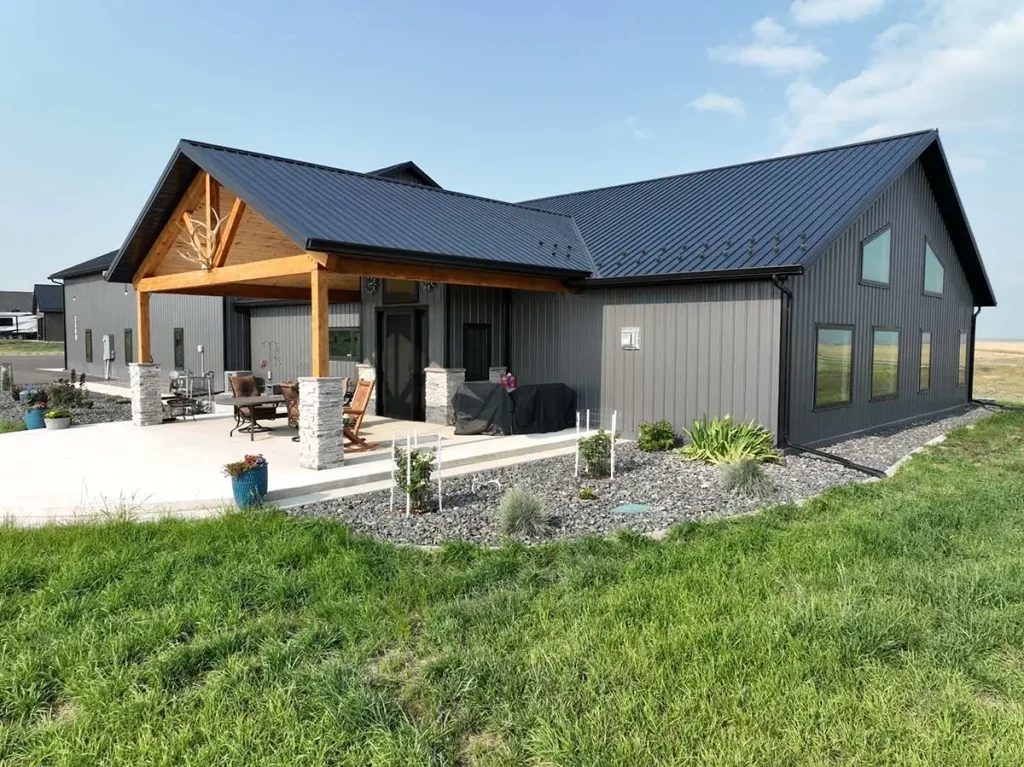
A post frame building and a pole barn are, in most cases, the same type of structure described two different ways. “Pole barn” is the older, more familiar term. “Post frame” is the modern, engineered version of that same construction method.
The terms get used interchangeably because post-frame construction grew directly out of traditional pole barn building. Both rely on large vertical posts spaced evenly apart to carry the structure’s load. What’s changed is the engineering, materials, and precision behind that simple idea.
Here’s what separates the two terms, what they have in common, and why Montana property owners increasingly ask for post frames by name.
What Is a Post Frame Building?
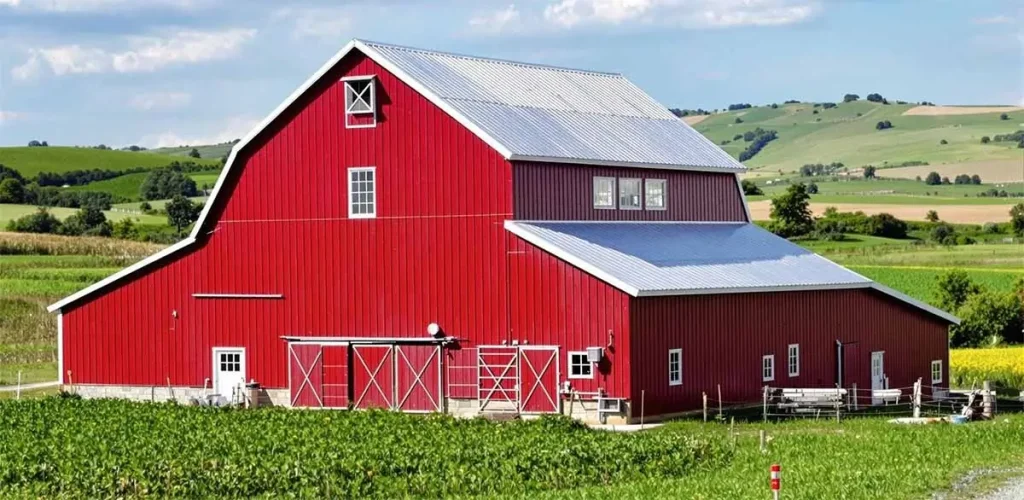
Post frame construction is an engineered building system that uses large, evenly spaced columns, known as posts, set deep into the ground or anchored to isolated concrete footings, to support the entire structure.
Modern post frame buildings are built on a few core components:
- Laminated columns – Multiple layers of lumber glued and pressed together for greater strength than a single solid post
- Engineered trusses – Pre-designed roof trusses calculated to handle specific snow, wind, and live loads
- Wide-span construction – Open interior space with minimal interior posts, since the load is carried by the perimeter columns
- Engineered design – Plans calculated and stamped to meet local building codes and load requirements
Because the load-bearing work happens at the posts, post frame buildings can span wide distances without interior support walls. That makes them well suited to shops, garages, equestrian arenas, and barndominiums, where open floor space matters as much as durability.
This is also where most confusion starts. A pole barn from 30 years ago and a post frame building going up today use the same basic concept, but the engineering behind them isn’t close to the same.
What Is a Pole Barn?
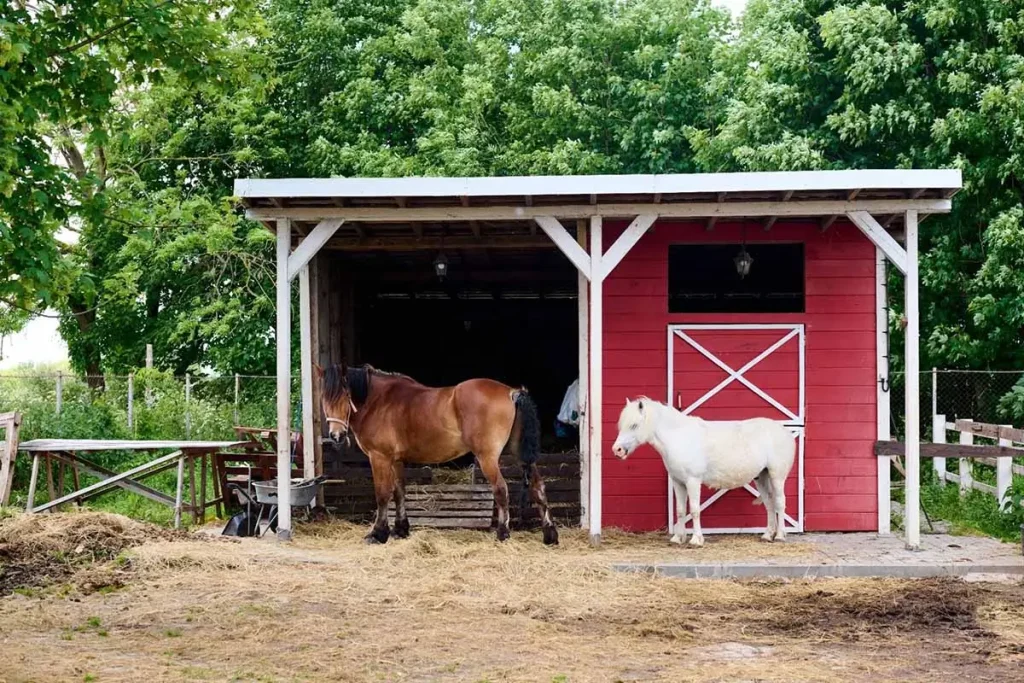
“Pole barn” is the original term for this construction method, and it comes from exactly what it sounds like: round wood poles set into the ground to frame an agricultural building.
Pole barns were built for one purpose: fast, affordable agricultural storage. Hay barns, equipment sheds, and basic livestock shelters were the standard use case for decades, and the construction matched that purpose. Simple poles, minimal engineering, function over form.
The term has stuck around for a few reasons:
- It’s the phrase older generations of property owners grew up using
- Many people still associate “pole barn” with any pole-supported building, regardless of how it’s engineered
- Search habits follow language habits, so “pole barn” remains the more commonly searched term even when people mean post frame
That’s why H&H Custom Buildings answers both terms. The vocabulary has evolved, but the buyer asking about a “pole barn shop” and the buyer asking about a “post frame building” are usually looking for the same thing.
Post Frame vs. Pole Barn: Key Differences
While the terms overlap in everyday conversation, there are real differences between a basic pole barn and a properly engineered post-frame building.
| Factor | Pole Barn (Traditional) | Post Frame (Modern) |
| Engineering | Minimal to none; based on rule-of-thumb sizing | Engineered plans calculated for site-specific loads |
| Foundation | Poles set directly in soil | Laminated columns set on concrete footings or piers |
| Materials | Round wood poles, basic lumber | Laminated columns, engineered trusses, treated lumber |
| Strength | Adequate for light agricultural use | Built to carry heavy snow, wind, and live loads |
| Energy Efficiency | Rarely insulated | Can be insulated and finished for year-round use |
| Typical Uses | Hay storage, equipment sheds | Shops, garages, arenas, barndominiums, commercial buildings |
| Cost | Lower upfront, limited longevity | Higher upfront, lower lifetime cost per year of use |
The practical takeaway: a pole barn built with no engineering behind it is a different product than a post frame building designed to hold up under Montana conditions, even if both started from the same basic idea.
What are the Benefits of Post Frame
Montana’s climate is the biggest reason post frame construction has become the standard here instead of basic pole barn building.
Snow Load
Helena Valley winters bring sustained heavy snow. Engineered trusses are calculated to carry that weight without sagging or failing, something a non-engineered pole barn was never designed to do.
Wind
Open country and exposed building sites mean wind load matters as much as snow load. Post-frame engineering accounts for both.
Acreage owners across Townsend, East Helena, and the surrounding valley need buildings that do real work: equipment storage, livestock shelter, and hobby farm infrastructure.
Post frame construction shows up across nearly every use case H&H builds for:
- Shops and garages for vehicles, equipment, and tools
- Horse barns built to handle Montana’s working ranch and equestrian community
- Barndominiums — post-frame living spaces that combine the durability of post-frame construction with finished interior space, not custom homes built on a residential foundation
Montana post-frame construction has grown past its agricultural roots. The buildings going up today are doing more, for longer, in tougher conditions than a basic pole barn was ever built to handle.
Should You Build a Post Frame Building?
Post-frame construction makes sense whenever a project needs wide-open interior space, fast build timelines, and strong performance against snow and wind, without the cost of conventional stick-frame construction.
Conventional framing still has its place. Multi-story homes, basements, and buildings tied to specific residential zoning codes often require stick-frame methods. But for single-story shops, garages, arenas, agricultural buildings, and post-frame living spaces, post-frame construction typically delivers more usable square footage per dollar and requires less maintenance over the life of the building.
Post Frame vs. Traditional Framing for a Live/Work Space
For a live/work building that combines finished living space with a shop, garage, or equipment area, post-frame construction can provide advantages over traditional stick framing. Wider column spacing allows large open work areas with fewer interior support walls, while still giving the residential portion flexibility for bedrooms, kitchens, bathrooms, and other finished spaces.
Traditional framing may be the better choice for designs with multiple stories, basements, or complex residential layouts. Post-frame construction is especially practical when a large shop or garage is a major part of the building. H&H evaluates the floor plan, building use, site conditions, and structural requirements before determining which framing method makes the most sense.
If your project involves any of the following, a post frame is worth a serious look:
- Wide-span interior space with no interior support walls
- A faster build timeline than conventional construction allows
- A rural or agricultural property in Montana’s snow and wind zones
- A shop, garage, arena, or post-frame living space rather than a multi-story residential home
H&H Custom Buildings has built post-frame structures across the Helena Valley for years, working with property owners who need a building that performs, not just one that goes up fast.
Frequently Asked Questions
Is a post frame building the same as a pole barn?
They’re closely related but not identical. A pole barn refers to the traditional, often non-engineered version of pole-supported construction. Post frame is the modern, engineered evolution of that method, using laminated columns and calculated trusses to meet current building codes and load requirements.
Are post frame buildings stronger?
A properly engineered post frame building is built to withstand specific snow, wind, and live loads calculated for the site. A traditional pole barn, built without that engineering, generally cannot match that level of structural performance.
How long do post frame buildings last?
With quality materials, proper engineering, and routine maintenance, a post frame building is built for decades of use. Lifespan depends heavily on construction quality, the materials used, and how well the building is maintained over time.
Is Post-Frame Construction Good for a Home?
Post-frame construction can work well for homes, especially barndominiums and live/work buildings that benefit from open interiors and flexible layouts. However, multi-story designs, basements, complex floor plans, or zoning requirements may make traditional framing more practical. H&H Custom Buildings evaluates each project to determine the most suitable framing system.
Are post frame buildings good for Montana winters?
Yes. Engineered post-frame construction accounts for the snow loads, wind exposure, and frost depth specific to Montana’s climate, which is a major reason it has become the standard for agricultural, commercial, and residential post-frame projects across the Helena Valley.
Ready to Build in the Helena Valley?
Whether you’re planning a shop, a horse barn, or a post-frame living space, H&H Custom Buildings can walk you through what post frame construction looks like for your property. Request your free quote and get a straight answer on what your project will take.